+1 847 948-7180 sales@friedmancorp.com

Manufacturing Complexity Is Rising: 8 Ways ERP Helps Make-to-Order Manufacturers Stay in Control
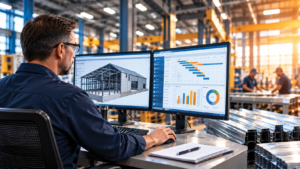
Manufacturing engineer reviewing a metal building design and production scheduling dashboard in a modern fabrication facility using connected ERP technology.

Manufacturing growth creates opportunity. It can also create complexity. More customers bring more orders. More product options create more configurations. More suppliers create more purchasing decisions. More technology creates more data. And as manufacturers expand, processes that once worked through spreadsheets, emails, and employee knowledge can become increasingly difficult to manage. That challenge is becoming especially important in 2026. Recent manufacturing research found that the share of manufacturers describing most of what they produce as extremely or very complex…


Read More >>

Manufacturing Labor Shortage in 2026: How to Increase Productivity Without Simply Adding Headcount

Happy manufacturing team collaborating on production planning in a modern factory, using real-time data and digital tools to improve workforce productivity and efficiency.

For many manufacturers, one of the hardest resources to secure in 2026 isn’t material, machinery, or floor space. It’s skilled people. Manufacturers continue to compete for experienced operators, technicians, engineers, planners, and other skilled employees. At the same time, experienced workers are retiring, customer expectations are increasing, and manufacturers are being asked to produce more customized products with shorter lead times. The traditional response has been straightforward: hire more people. But what happens when the people you need aren’t…

Read More >>

How Manufacturers Can Reduce Lead Times Without Increasing Production Costs

Manufacturing team collaborating around production reports and planning documents in an industrial environment, illustrating how real-time visibility, automated workflows, and ERP software help reduce manufacturing lead times.

Customers expect shorter lead times than ever before. Whether you’re manufacturing cabinets, architectural millwork, windows, doors, furniture, or other configurable products, your ability to deliver quickly has become a major competitive advantage. Unfortunately, reducing lead times isn’t as simple as adding more labor or increasing production capacity. Manufacturers that attempt to speed production without improving their processes often create bottlenecks, increase costs, and reduce quality. In 2026, successful manufacturers are reducing lead times by improving visibility, automating workflows, and…

Read More >>