
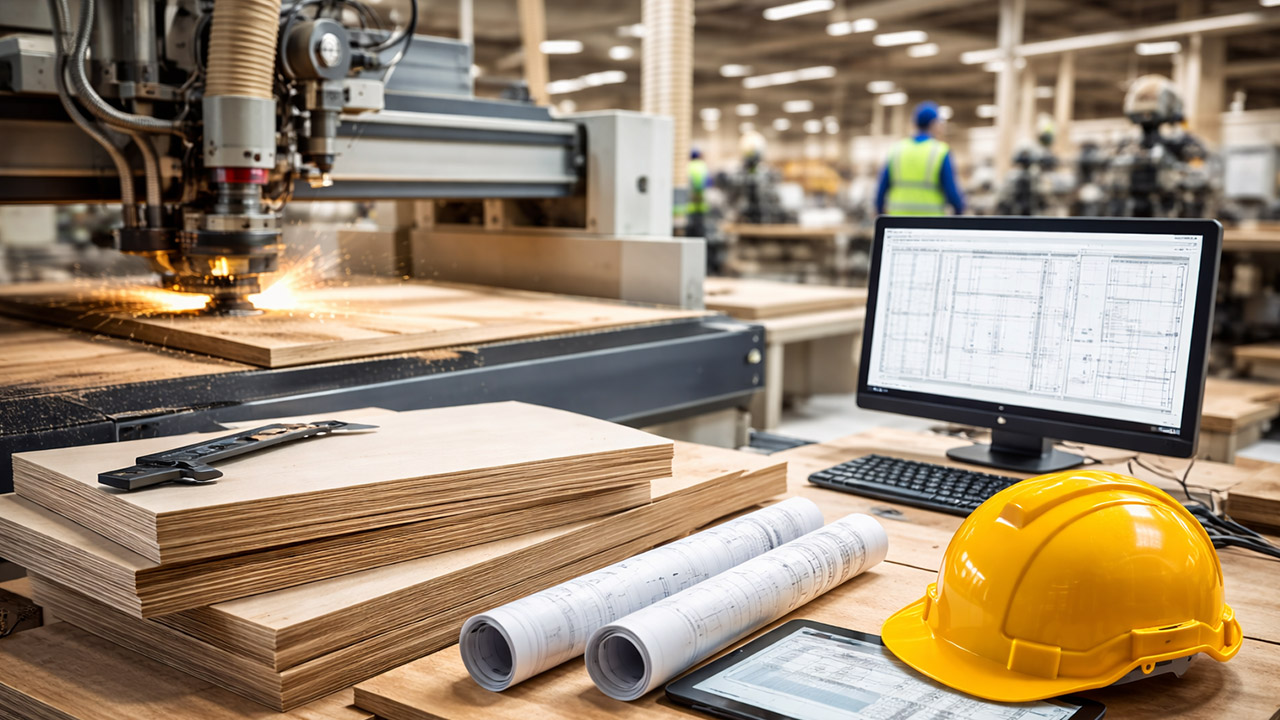
In 2026, the cabinet and millwork industry is set for some exciting changes! From the rise of smart technology to sustainable materials, these trends are reshaping how we design and manufacture. As manufacturers embrace automation and innovative techniques, we can expect more efficient processes and stunning designs that cater to modern consumer preferences. It’s an exhilarating time to be part of this evolving landscape! The woodworking and cabinet manufacturing industry continues to evolve in response to labor shortages, material cost volatility, and increasing customer expectations for customization and speed.
In 2026, manufacturers are focusing less on survival and more on strategic modernization. Technology adoption, workflow optimization, and automation are becoming core business priorities — not future initiatives.
Here are five major trends shaping woodworking and cabinet manufacturing this year.
1. Automation Is Expanding Beyond the Shop Floor
CNC machinery and automated cutting systems have long been standard in modern woodworking facilities. But in 2026, automation is extending far beyond production equipment.
Manufacturers are increasingly automating:
-
Order entry and configuration workflows
-
Estimating and quoting processes
-
Purchasing and materials planning
-
Shipping documentation and invoicing
Administrative automation is reducing bottlenecks between sales, engineering, and production — allowing shops to move jobs through the pipeline faster with fewer errors.
2. Customization at Scale Is the New Competitive Standard
Demand for semi-custom and fully custom cabinetry continues to grow across residential and commercial markets. Customers expect personalization without extended lead times.
To meet this demand, manufacturers are investing in:
-
Configurator-driven order entry
-
Integrated CAD/CAM systems
-
Real-time bill of materials generation
-
Dynamic pricing models
The ability to configure, price, and engineer complex orders quickly is becoming a defining advantage. Shops that rely on spreadsheets or disconnected systems are finding it harder to keep up.
3. Labor Shortages Are Driving Process Standardization
Skilled labor remains one of the biggest constraints in woodworking manufacturing. As experienced employees retire, companies are looking for ways to preserve institutional knowledge and reduce dependency on tribal expertise.
This is leading to:
-
Standardized production workflows
-
Digitized job tracking
-
Shop floor data collection
-
Clear routing and process documentation
Manufacturers are increasingly recognizing that strong systems reduce training time, minimize rework, and improve throughput — even with leaner teams.
4. Real-Time Production Visibility Is Becoming Essential
In the past, many woodworking shops relied on manual updates and paper travelers to track job status. In 2026, real-time production visibility is becoming a necessity.
Manufacturers are prioritizing systems that provide:
-
Live job tracking
-
Work center performance metrics
-
Material usage monitoring
-
Accurate WIP (work-in-progress) reporting
-
On-time delivery forecasting
This level of visibility helps leadership teams make faster scheduling decisions and identify bottlenecks before they impact deadlines.
For larger cabinet and millwork manufacturers, integrated ERP systems are becoming the backbone for this visibility — connecting estimating, engineering, production, and accounting into a unified workflow.
5. Material Cost Volatility Requires Smarter Planning
Fluctuations in lumber prices, hardware costs, and supply availability continue to challenge margin management.
To protect profitability, manufacturers are focusing on:
-
Accurate, real-time costing
-
Automated material requirement planning (MRP)
-
Supplier performance tracking
-
Purchase planning aligned to production schedules
The ability to update pricing models quickly and reflect true costs in estimates is critical for maintaining healthy margins in competitive markets.
What This Means for Cabinet & Millwork Manufacturers
Across all of these trends, one theme is clear: integration matters.
Disconnected systems create delays between departments, increase manual work, and introduce errors. As job complexity increases and labor becomes harder to find, manufacturers are looking for connected platforms that streamline operations from quote to cash.
Whether through automation, digital shop floor tracking, or improved estimating workflows, technology investments in 2026 are focused on operational clarity and long-term scalability.
Looking Ahead
The woodworking and cabinet manufacturing industry has always been rooted in craftsmanship. In 2026, the most successful manufacturers are combining that craftsmanship with modern operational technology.
Those who invest in smarter workflows, improved visibility, and scalable systems will be better positioned to manage labor constraints, protect margins, and meet growing customization demands.
As the year unfolds, the manufacturers who adapt strategically — not reactively — will define the next era of growth in woodworking production.